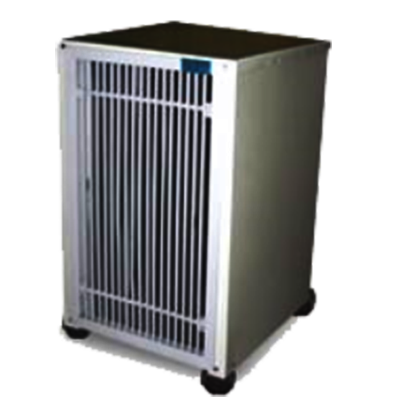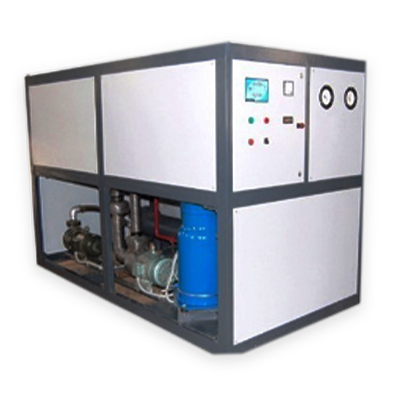
Wood Seasoning Plants

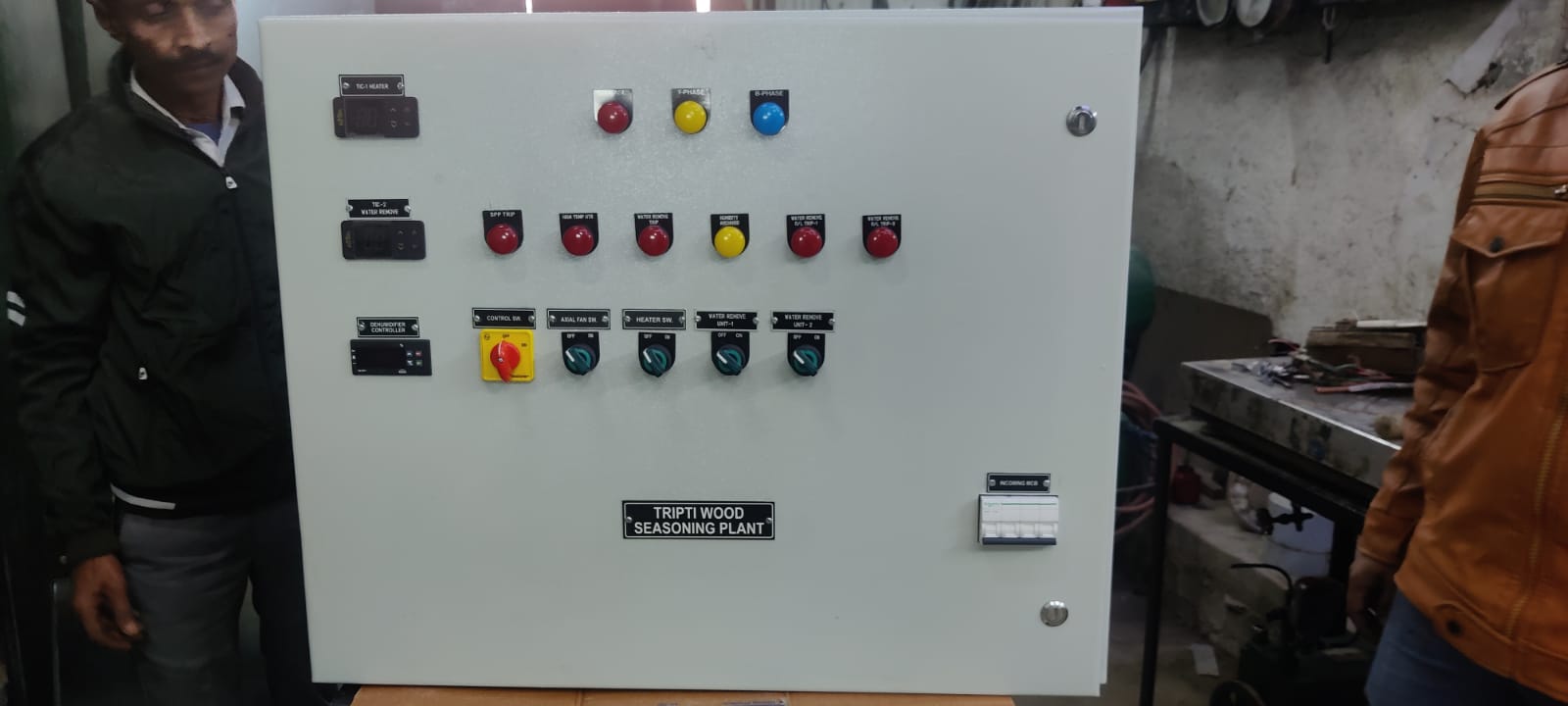
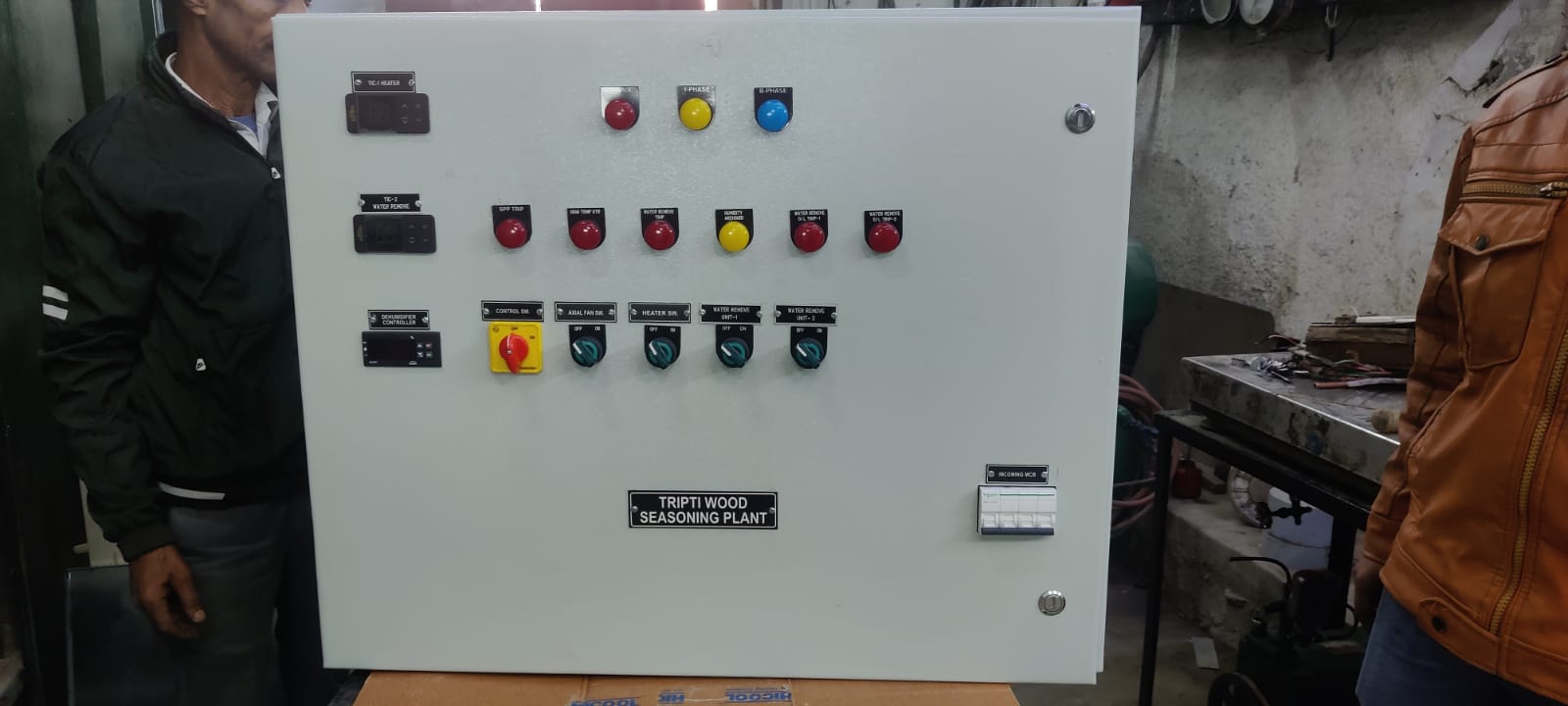



A large quantity of timber used in India is not properly dried or seasoned & treated resulting into development of defects like warping, cracking, splitting or decay and insect attack in the products.
In Western countries Timber is not allowed to come out from saw mill unless it is seasoned and treated. It is compulsory to season and treat.
A scientific study of wood seasoning process is important, as a large number of commercially important timber species is very problematic to seasoning. Climatic conditions also are very exacting for various wood works such as joinery, furniture, handicraft products etc.
During recent years the need of seasoning in timber has become imperative due to the compulsion of use of timber from short rotation plantations.
The Wood Seasoning branch undertakes research work related to the drying behavior of wood, study of shrinkage and wood-water relation ship and evaluation of kiln drying schedules. Other priorities include investigation for suitability of Indian timber for industrial uses such as pencil making, wooden accessories used in cotton & jute mills, and shoe lasts as well as investigation of bending behavior of different timber species for making bent wood articles.
Wood, a renewable material, occupies a prime position as a raw material, Its versatile Nature has made it unique in many applications. In most of the uses of wood, longevity of wood is very important.
Green Wood in growing trees contains considerable quantities of water/moisture. Most of this moisture has to be removed in order to obtain satisfactory performance from the wood in use. Freshly felled wood contains moisture roughly 100 percent based on the oven dry weight of wood.
A well seasoned piece of wood should on other hand contain only 10 to 12 percent moisture. An important object of seasoning is to dry the timber to the equilibrium moisture content before use, so that gross dimensional changes through shrinkage, which inevitably occurs in green wood as it tends to attain equilibrium with the surrounding atmosphere, are eliminated.
How Seasoning is done ?
The method and technology we use is “KILN”, which happens to be the most energy intensive amongst wood processing operations claiming an estimated 50-70 percent of the total energy consumed in manufacturing wood products. The timber is stacked in the chamber.


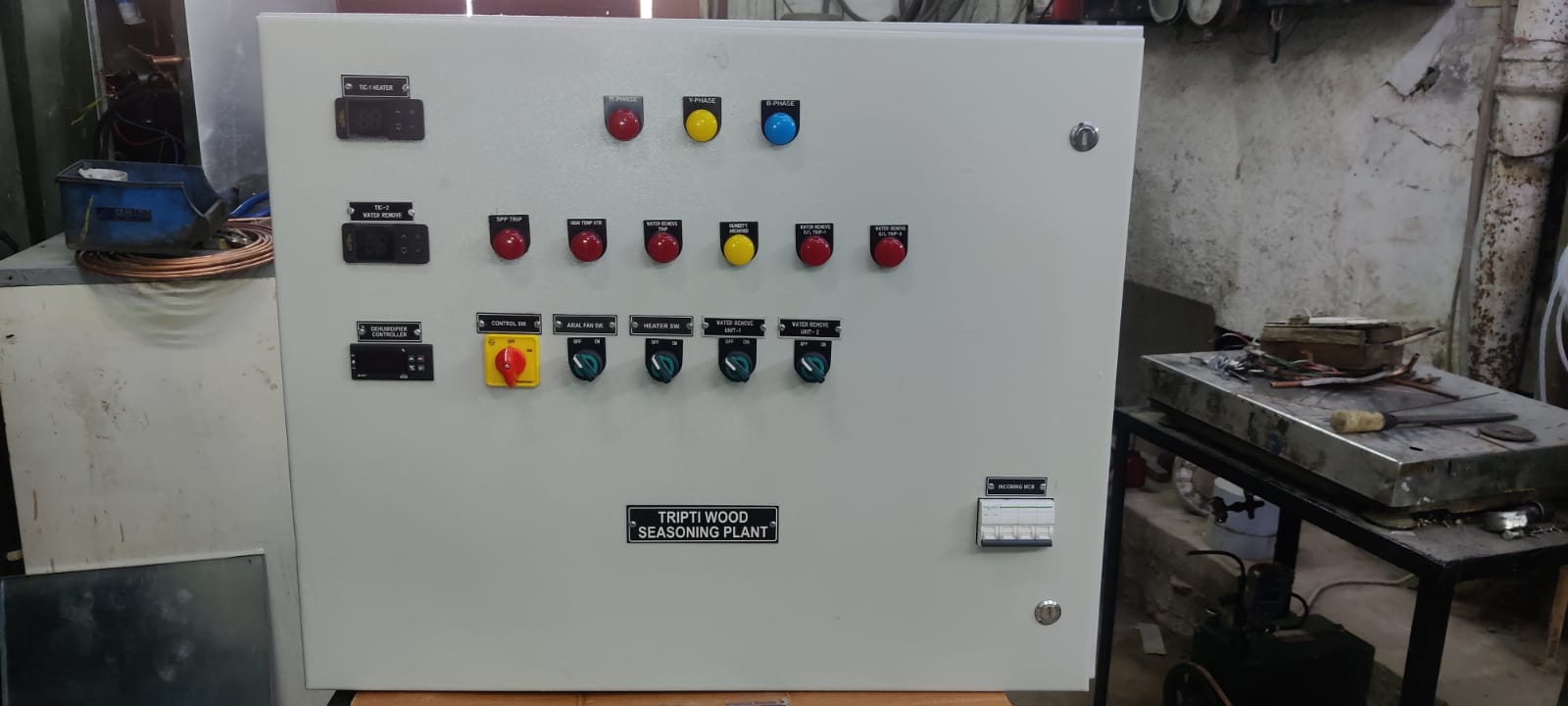
Then with Air blower heat exchanges in chamber at pressure. Timber is kept in chamber for 6 to 12 days as per its fiber property. These removes all possible unwanted moisture through fibers.
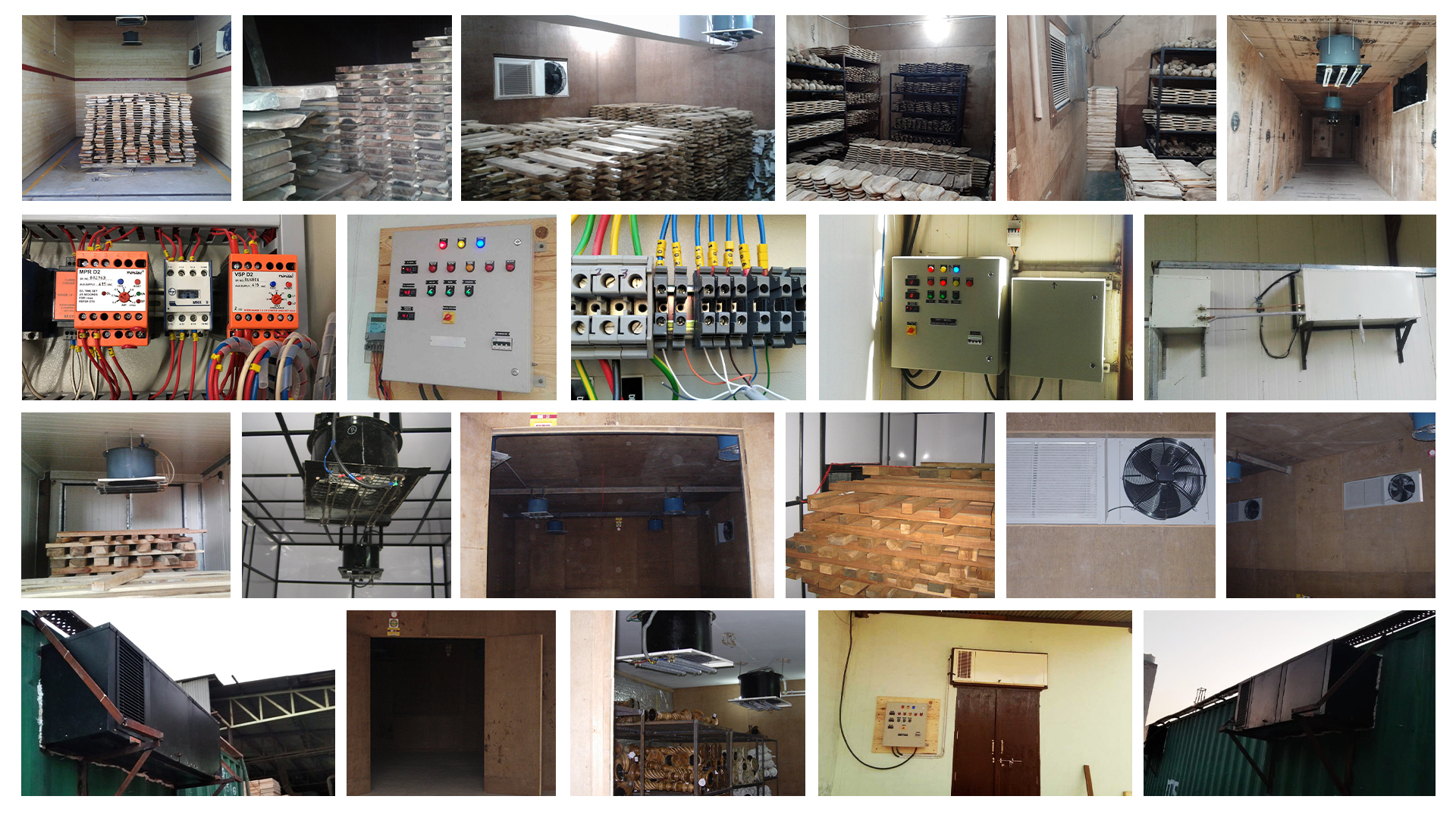
The seasoning Kiln is a chamber equipped with arrangements for heating and dehumidifying the drying air to desired conditions of temperature and relative humidity and its circulation over the surfaces of timber stacked inside. Fans are used for faster circulation of air.
Benefits of Seasoning
- By seasoning timber, “Movement” in the component of the finished products, relative to the dimensions at the time of fabrication, is kept to a minimum. Thus seasoning is the first step towards realizing maximum attainable dimensional stability from any timber during use.
- Considerable losses through cracking, splitting, warping etc, which are liable to occur while using green timber under inevitable exposure to surrounding uncontrolled climatic conditions, are avoided by carrying out proper seasoning under controlled drying conditions prior to use. This is of great importance in timber utilization in India where the climatic conditions vary considerably at different times during the year.
- Seasoning protects timber against primary decay, fungal stain and attack by certain kinds of insects. The organisms, which cause decay and stain, generally can not thrive in timber with moisture content below 20 percent. Seasoned wood is less susceptible to decay than a green wood in indoor use.
- Seasoned timber is lighter and hence the transport and handling are easy and the costs are reduced.
- Seasoned timber is stronger than the green timber in most of the strength properties.
- Finishing, coloring/painting & gluing is resulted better in seasoned & processed timber than in green wood.
- The electrical and thermal insulation properties of wood are improved by seasoning.
- Seasoning enables substantial long-term economy in utilization by minimizing replacement, besides rationalizing the utilization of our timber resources.
Most species of freshly felled timber contain 100% or more moisture in it. For retention of shape and size of manufactured article and make quality product, timber should be seasoned and the moisture contents to be brought down to level in equilibrium with the surrounding atmosphere (normally 6% to 8%).
Seasoning is done in Scientific way to ensure perfect seasoning under controlled. Fans are of light weight having variable pitch, dynamically balanced and reversible and that gives equal air flow in both sides of the wood stack ensures equal drying of wood.
The drying of wood takes place by the application of temperature humidity cycle. Drying process is checked and monitored time to time by the use of moisture meter handled by qualified operators.
About Wood
India is a tropical country and has more than 80 species of wood.
Following are a few varieties of timbers commonly used for producing hand crafted wooden products:
Pine (Abies Pindrow), Sheesham (Dalbergia Sissoo), Haldu (Adiva Cardifolia), Rubberwood (Hevea Brasiliensis), Kadam (Anthcephatus Chinensis), Kanju (Haloptelea lategrifoha), Gamari (Cmelina Arborea) and Mango (Mangeferia Indica).
‘The use of mango and rubber woods is increasing as these are plantation woods, Moisture content in wood also plays a critical role in quality and finish of the product. Ideal moisture content of standard wood is 6 to 8%.
Our Products